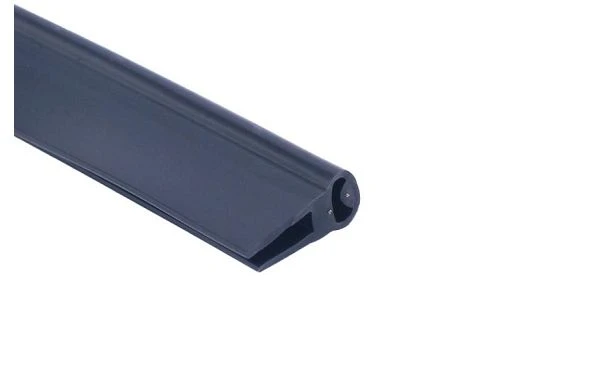
Cleaning and Inspection: The surface of the safety edge should be cleaned regularly to prevent impurities-such as dust, oil, and chemicals-from compromising the sensor's detection capabilities. Use a soft cleaning cloth and an appropriate cleaning agent to clean the safety edge surface; avoid using highly corrosive cleaning agents. Cleaning efforts should be intensified, particularly in applications situated in harsh environments (e.g., those involving high temperatures, high humidity, or heavy oil fumes).
Inspection of Sensors and Electrical Connections: Periodically verify that the safety edge sensors are functioning correctly, especially in environments subject to vibration, mechanical shock, or high-frequency usage. Check that electrical connections are secure and inspect cables for any signs of wear or aging. Poor contact in connection cables can prevent the sensor from accurately transmitting signals, thereby compromising safety protection functions.
Testing Response Performance: Conduct periodic functional tests on the system to ensure that the safety edge responds promptly-triggering an equipment shutdown or alarm system-whenever it is touched or subjected to pressure. Simulate various operational scenarios to assess the safety edge's response time and sensitivity under different environmental conditions and operational states.
Updates and Replacement: Over time, the materials comprising the safety edge may degrade, particularly after prolonged exposure to extreme temperatures, humidity, or chemical environments. Periodically inspect the physical condition of the safety edge materials; if any damage, aging, or failure is detected, the unit should be replaced immediately. Additionally, regularly check for and install updates to software and firmware to maintain compatibility and stability with the equipment's control system.