

In the realm of safety technology, the Mini Sensing Edge has emerged as a revolutionary product, providing reliable and efficient safety solutions for a wide range of applications. As a trusted supplier of Mini Sensing Edge, I am excited to delve into the topic of its data storage capacity and explore how it contributes to the overall performance and functionality of this remarkable device.
Understanding the Mini Sensing Edge
Before we discuss the data storage capacity, let's first understand what the Mini Sensing Edge is. The Mini Sensing Edge is a compact and highly sensitive safety sensor designed to detect contact and pressure. It is commonly used in industrial machinery, automated doors, elevators, and other applications where safety is a top priority.
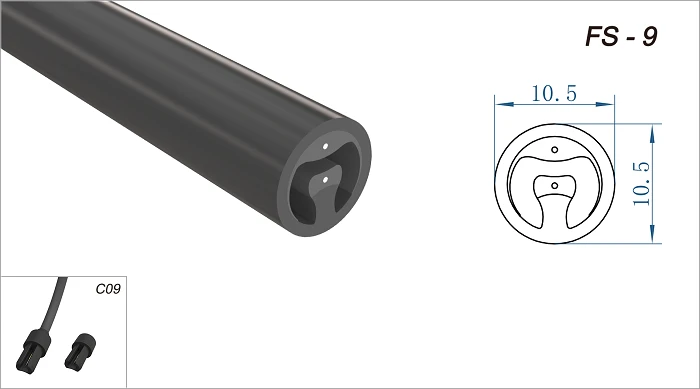
The Mini Sensing Edge is available in various types, including the Round Safety Edge, Pressure Sensitive Safety Edge, Mini Safety Edge Sensor, and Narrow Edge Safety Sensor. Each type is tailored to specific applications and requirements, offering flexibility and versatility to users.
The Role of Data Storage in the Mini Sensing Edge
Data storage plays a crucial role in the operation of the Mini Sensing Edge. It allows the device to record and store important information about its performance, including the number of activations, the duration of each activation, and the intensity of the pressure applied. This data can be used for a variety of purposes, such as performance monitoring, maintenance planning, and safety analysis.
By analyzing the stored data, users can gain valuable insights into the behavior of the Mini Sensing Edge and identify any potential issues or trends. For example, if the device is experiencing frequent activations or if the pressure readings are consistently higher than normal, it may indicate a problem with the installation or the surrounding environment. This information can then be used to take appropriate action, such as adjusting the settings of the device or conducting maintenance checks.
Data Storage Capacity of the Mini Sensing Edge
The data storage capacity of the Mini Sensing Edge varies depending on the specific model and configuration. Generally, the device is capable of storing a significant amount of data, allowing users to track its performance over an extended period of time.
Most Mini Sensing Edge devices are equipped with non-volatile memory, which means that the stored data is retained even if the device is powered off. This ensures that the data is not lost in the event of a power failure or other unexpected event.
In addition to the built-in memory, some Mini Sensing Edge devices also support external storage options, such as USB flash drives or SD cards. This allows users to expand the data storage capacity of the device and access the stored data more conveniently.
Benefits of a High Data Storage Capacity
A high data storage capacity offers several benefits for users of the Mini Sensing Edge. Firstly, it allows for more comprehensive performance monitoring. With a larger amount of data available, users can analyze the device's behavior over a longer period of time and identify any patterns or trends that may not be apparent with a smaller data set.

Secondly, a high data storage capacity enables more accurate safety analysis. By storing detailed information about each activation event, users can determine the exact circumstances under which the device was triggered and assess the potential risks associated with the application. This information can be used to improve the safety of the system and prevent accidents from occurring.
Finally, a high data storage capacity provides greater flexibility and convenience. Users can store a large amount of data on the device without having to worry about running out of space. They can also access the stored data at any time and from anywhere, using a computer or other compatible device.
How to Optimize Data Storage in the Mini Sensing Edge
To make the most of the data storage capacity of the Mini Sensing Edge, it is important to optimize its usage. Here are some tips to help you do this:
- Set appropriate data retention periods: Determine how long you need to store the data based on your specific requirements. You can then configure the device to automatically delete old data after a certain period of time to free up space.
- Use data compression techniques: Some Mini Sensing Edge devices support data compression, which can reduce the amount of storage space required without sacrificing the quality of the data.
- Regularly backup the data: To prevent data loss, it is recommended to regularly backup the data stored on the device. You can use an external storage device or a cloud-based storage service to store the backup.
- Analyze the data regularly: By analyzing the data on a regular basis, you can identify any trends or patterns that may require attention. This will help you optimize the performance of the device and ensure its continued reliability.
Conclusion
In conclusion, the data storage capacity of the Mini Sensing Edge is an important factor that contributes to its overall performance and functionality. With a high data storage capacity, users can monitor the device's performance, conduct safety analysis, and make informed decisions to improve the safety and efficiency of their applications.
As a supplier of Mini Sensing Edge, I am committed to providing our customers with high-quality products and excellent customer service. If you are interested in learning more about the Mini Sensing Edge or would like to discuss your specific requirements, please do not hesitate to contact us. We look forward to the opportunity to work with you and help you find the best safety solution for your needs.
References
- Manufacturer's documentation for Mini Sensing Edge products
- Industry standards and guidelines for safety sensors
- Technical articles and research papers on data storage in safety devices