

What is the lifespan of a Narrow Edge Safety Sensor?
As a supplier of Narrow Edge Safety Sensors, I am often asked about the lifespan of these crucial safety devices. Understanding the lifespan of a Narrow Edge Safety Sensor is essential for businesses and individuals looking to invest in reliable safety solutions. In this blog post, I will explore the factors that influence the lifespan of these sensors and provide some insights into how you can maximize their longevity.
Factors Affecting the Lifespan of Narrow Edge Safety Sensors
The lifespan of a Narrow Edge Safety Sensor can vary significantly depending on several key factors. These factors include:
- Quality of Materials: The quality of materials used in the construction of the sensor plays a crucial role in determining its lifespan. High-quality sensors are typically made from durable materials that can withstand wear and tear over an extended period. For example, sensors with a robust outer casing and high-quality internal components are more likely to last longer than those made from inferior materials.
- Operating Conditions: The environment in which the sensor is used can have a significant impact on its lifespan. Sensors that are exposed to harsh conditions, such as extreme temperatures, high humidity, or corrosive chemicals, are likely to experience more rapid degradation. On the other hand, sensors used in clean, controlled environments are likely to have a longer lifespan.
- Frequency of Use: The frequency with which the sensor is used also affects its lifespan. Sensors that are used continuously or frequently are more likely to experience wear and tear than those used less often. For example, a sensor installed on a busy industrial door that opens and closes hundreds of times a day will likely have a shorter lifespan than one installed on a less frequently used door.
- Maintenance and Care: Proper maintenance and care can significantly extend the lifespan of a Narrow Edge Safety Sensor. Regular cleaning, inspection, and replacement of worn components can help ensure that the sensor continues to function properly. Additionally, following the manufacturer's recommended maintenance schedule is essential for maximizing the lifespan of the sensor.
Typical Lifespan of Narrow Edge Safety Sensors
While the lifespan of a Narrow Edge Safety Sensor can vary depending on the factors mentioned above, a well-made and properly maintained sensor can typically last anywhere from 5 to 10 years. However, it's important to note that this is just an estimate, and the actual lifespan of a sensor may be shorter or longer depending on the specific circumstances of its use.
For example, a Narrow Edge Safety Sensor installed in a clean, controlled environment and used infrequently may last closer to 10 years or more. On the other hand, a sensor installed in a harsh industrial environment and used continuously may have a lifespan of closer to 5 years or less.
Maximizing the Lifespan of Narrow Edge Safety Sensors
As a supplier, I understand the importance of helping our customers get the most out of their Narrow Edge Safety Sensors. Here are some tips on how to maximize the lifespan of these sensors:
- Choose High-Quality Sensors: When purchasing a Narrow Edge Safety Sensor, it's important to choose a high-quality product from a reputable manufacturer. High-quality sensors are typically made from durable materials and are designed to withstand the rigors of daily use. You can find our range of high-quality Narrow Edge Safety Sensor on our website.
- Install Sensors Properly: Proper installation is crucial for the longevity of a Narrow Edge Safety Sensor. Make sure to follow the manufacturer's installation instructions carefully and ensure that the sensor is installed in a location where it will not be exposed to excessive stress or damage.
- Maintain a Clean Environment: Keeping the area around the sensor clean and free of debris can help prevent damage and extend the lifespan of the sensor. Regularly clean the sensor and its surroundings to remove dirt, dust, and other contaminants.
- Perform Regular Inspections: Regularly inspect the sensor for signs of wear and tear, such as cracks, abrasions, or loose connections. If you notice any issues, replace the sensor or its components as soon as possible to prevent further damage.
- Follow the Manufacturer's Maintenance Schedule: The manufacturer's maintenance schedule provides important guidelines on how to keep the sensor in optimal condition. Make sure to follow these guidelines and perform any recommended maintenance tasks on a regular basis.
The Importance of Replacing Old Sensors
Even with proper maintenance, Narrow Edge Safety Sensors will eventually reach the end of their lifespan. It's important to replace old sensors in a timely manner to ensure the continued safety of your equipment and personnel.
An old or worn-out sensor may not function properly, which can lead to safety hazards. For example, a sensor that fails to detect an object or person in its path can cause a door or other moving equipment to close on them, resulting in serious injury.

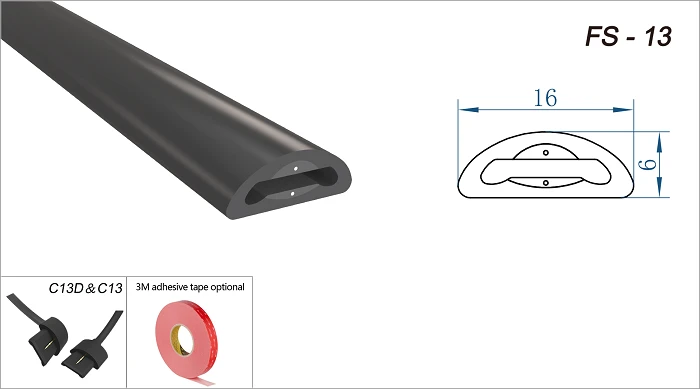
By replacing old sensors with new ones, you can ensure that your safety system is operating at its best and that you are providing a safe environment for your employees and customers.
Our Narrow Edge Safety Sensor Products
At our company, we offer a wide range of high-quality Narrow Edge Safety Sensors designed to meet the needs of various applications. Our sensors are made from top-quality materials and are rigorously tested to ensure reliability and performance.
In addition to Narrow Edge Safety Sensors, we also offer other related products, such as Electrical Safety Edge for Automatic Doors, Safety Edge Sensor, and Anti-pinch Safety Edge. Our Mini Safety Edge Sensor is also a popular choice for applications where space is limited.
Contact Us for Your Narrow Edge Safety Sensor Needs
If you are in the market for a Narrow Edge Safety Sensor or have any questions about our products, we encourage you to contact us. Our team of experts is here to help you choose the right sensor for your application and provide you with the support and guidance you need to ensure its proper installation and use.
Investing in high-quality safety sensors is a wise decision that can help protect your equipment, personnel, and reputation. Let us help you find the perfect solution for your safety needs.
References
- Industry standards and guidelines for safety sensor manufacturing
- Manufacturer's specifications and product documentation for Narrow Edge Safety Sensors