

Diagnosing a problem with a garage door safety edge is a crucial task for maintaining the safety and functionality of your garage door system. As a leading supplier of garage door safety edges, we understand the importance of a properly functioning safety edge. In this blog post, we will guide you through the process of diagnosing common issues with a garage door safety edge.
Understanding the Function of a Garage Door Safety Edge
Before we dive into the diagnosis process, it's essential to understand what a garage door safety edge does. A safety edge is a rubber strip installed along the bottom of the garage door. It contains a sensor that detects obstructions when the door is closing. If the safety edge comes into contact with an object, the sensor sends a signal to the garage door opener, which immediately reverses the door's direction to prevent injury or damage.
Visual Inspection
The first step in diagnosing a problem with a garage door safety edge is a visual inspection.
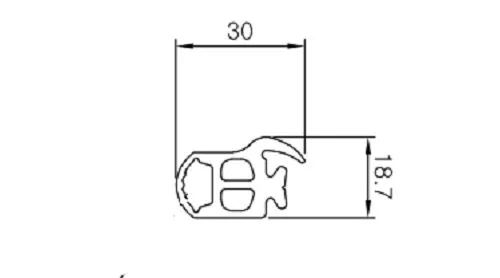

- Check for Physical Damage: Look for any visible signs of wear and tear, such as cuts, tears, or holes in the rubber strip. Physical damage can disrupt the electrical connection within the safety edge, causing it to malfunction. If you notice any damage, it may be necessary to replace the safety edge. Our Lift Door Safety Edge is a high - quality option for replacement.
- Inspect the Mounting: Ensure that the safety edge is properly mounted to the bottom of the garage door. Loose or misaligned mounting can prevent the safety edge from making proper contact with obstacles. If the mounting brackets are loose, tighten them using the appropriate tools.
Electrical Continuity Check
The safety edge operates based on electrical signals. An electrical continuity check helps determine if the electrical circuit within the safety edge is intact.
- Tools Required: You will need a multimeter for this test. Set the multimeter to the resistance or continuity setting.
- Testing Process:
- Disconnect the garage door opener from power to ensure safety.
- Locate the wires connected to the safety edge. Usually, there are two wires.
- Connect the multimeter probes to the two wires of the safety edge. When the safety edge is in a relaxed state (not compressed), the multimeter should show a very low resistance (close to zero ohms), indicating electrical continuity.
- Press down on the safety edge. The resistance should increase significantly, indicating that the safety edge is functioning correctly. If the resistance does not change as expected, there is a problem with the electrical components inside the safety edge. In this case, you may need to consider replacing it with our Roller Door Wireless Safety Edge, which offers reliable electrical performance.
Sensor Alignment and Calibration
Sometimes, the problem may not be with the safety edge itself but with its alignment or calibration.
- Alignment: Make sure that the safety edge is parallel to the ground. If it is tilted or misaligned, it may not detect obstacles correctly. You can adjust the mounting brackets to correct the alignment.
- Calibration: Some garage door openers allow you to calibrate the safety edge sensitivity. Refer to the garage door opener's manual to find the calibration procedure. Adjust the sensitivity settings according to the manufacturer's recommendations. If the calibration is off, the safety edge may either be too sensitive and reverse the door unnecessarily or not sensitive enough to detect actual obstacles.
Common Error Messages and Troubleshooting
- Error Messages on the Opener: Many modern garage door openers display error messages when there is a problem with the safety edge. Refer to the opener's manual to understand what each error message means. For example, if the message indicates a "safety edge fault," it could be due to a broken wire, a damaged safety edge, or a problem with the sensor.
- No Error Messages but Malfunction: If the garage door does not reverse when the safety edge is pressed, but there are no error messages on the opener, it could be a problem with the communication between the safety edge and the opener. Check the wiring connections between the safety edge and the opener. Make sure that the wires are not frayed or disconnected.
Compatibility Issues
It's important to ensure that the safety edge is compatible with your garage door opener. Different openers may have different electrical requirements and communication protocols.
- Check the Manufacturer's Specifications: Before purchasing a new safety edge, refer to the garage door opener's manual to find out the compatible safety edge models. Our Roller Shutter Safety Edge and Coach Door Safety Edge are designed to be compatible with a wide range of garage door openers, but it's always best to double - check.
Environmental Factors
Environmental factors can also affect the performance of a garage door safety edge.
- Temperature and Humidity: Extreme temperatures and high humidity can cause the rubber of the safety edge to expand or contract, which may affect its electrical properties. In areas with harsh climates, consider using a safety edge that is designed to withstand such conditions. Our Lifting Platform Safety Switch is built to perform well in various environmental conditions.
- Dirt and Debris: Dirt, dust, and debris can accumulate inside the safety edge, preventing it from functioning correctly. Regularly clean the safety edge using a soft brush or a damp cloth.
Final Steps
- Reassemble and Test: After performing the necessary repairs or replacements, reassemble the garage door and reconnect the power to the opener. Test the safety edge by closing the door and placing a small object in its path. The door should reverse immediately upon contact with the object.
- Regular Maintenance: To prevent future problems, perform regular maintenance on your garage door safety edge. This includes visual inspections, cleaning, and checking the electrical connections.
Contact for Purchase and Consultation
If you are experiencing persistent problems with your garage door safety edge or are looking to purchase a new one, we are here to help. Our team of experts can provide you with detailed product information, installation guidance, and support. Whether you need a Lift Door Safety Edge, Roller Door Wireless Safety Edge, Roller Shutter Safety Edge, Coach Door Safety Edge, or Lifting Platform Safety Switch, we have a wide range of high - quality products to meet your needs. Reach out to us for a consultation and discuss your procurement requirements.
References
- Garage Door Opener Manufacturer Manuals
- Safety Edge Product Documentation