

Can safety edges be used in outdoor environments? That's a question I get asked a lot as a safety edge supplier. And let me tell you, it's not a straightforward yes or no answer. There are a bunch of factors to consider, so let's dig into it.

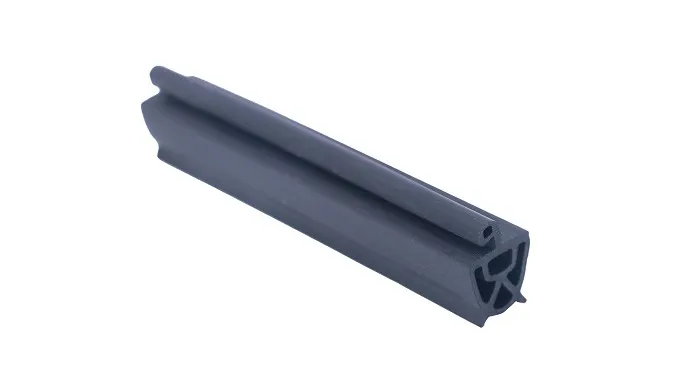
First off, what are safety edges? Well, they're these nifty devices that are designed to detect contact and trigger a safety response. You can find 'em on all sorts of stuff like doors, gates, machinery, and even lifting platforms. When something or someone bumps into the safety edge, it sends a signal to stop or reverse the movement, which helps prevent accidents and injuries.
Now, when it comes to using safety edges outdoors, the biggie is weather resistance. Out there, they've got to deal with rain, snow, extreme temperatures, UV rays, and all that other crazy weather stuff. If a safety edge isn't built to handle these conditions, it's gonna break down pretty fast, and that's a huge safety risk.
Let me talk about the materials. Most safety edges are made of rubber or a similar flexible material. Rubber is great because it's soft enough to detect contact easily, but it also needs to be tough. High - quality rubber compounds are formulated to resist weathering. For example, some rubbers have additives that protect against UV degradation. When you're looking for a safety edge for outdoor use, you want one made from this kind of durable rubber.
Take our Mini Rubber Safety Edge Sensor. It's got a special rubber coating that can stand up to the sun's harsh rays. It won't crack or become brittle over time like some cheaper alternatives. And it can handle a bit of water too. You don't have to worry about it short - circuiting when it rains.
Another thing to think about is temperature. Outdoors, it can get really hot in the summer and freezing cold in the winter. Safety edges need to work well across a wide temperature range. If it's too cold, the rubber might become stiff and lose its sensitivity. On the other hand, if it's too hot, it could start to melt or deform.
Our Rubber Sensitive Edge for Machine is engineered to work in temperatures from - 20°C to 60°C. That means whether you're in the middle of a sweltering summer or a frosty winter, this safety edge will keep doing its job. It's got a unique internal structure that helps maintain its flexibility, no matter the temperature.
Moisture is also a big deal. Rain, snow, and humidity can all cause problems. Water can seep into the safety edge and damage the electrical components inside. That's why a good outdoor safety edge needs to be waterproof or at least water - resistant.
We offer the Rubber Edge for Revolving Door, which has a sealed design. It's got gaskets and seals that prevent water from getting in. Even if it's pouring rain, you can be sure that the electrical connections inside the safety edge are protected. This way, it'll keep functioning properly and keep people safe.
And what about dirt and debris? Outdoors, there's always dust, leaves, and other junk flying around. If this stuff gets into the safety edge, it can interfere with its operation. A well - designed outdoor safety edge should have some kind of protection against dirt and debris.
Our Rubber Sensitive Edge for Lifting Platform has a smooth outer surface that makes it hard for dirt to stick. And it's got internal channels that help direct any water or debris out. So, even if it's in a dirty outdoor environment, it'll still work as it should.
Now, there are also different types of outdoor applications. For example, in a construction site, safety edges on gates or machinery need to be extra tough. They might face more impacts and rough handling. In a park or a public area, the focus might be more on protecting people from getting pinched in doors or gates.
Our Overhead Safety Edge is perfect for construction sites. It's made with a heavy - duty rubber that can withstand a lot of abuse. Whether it's being hit by tools or equipment, it won't break easily. And it's got a high - sensitivity sensor that can detect even a light touch.
So, can safety edges be used in outdoor environments? The answer is yes, but you've got to choose the right ones. You need to look for safety edges that are made from high - quality, weather - resistant materials, can handle a wide temperature range, are waterproof, and can resist dirt and debris.
If you're in the market for outdoor safety edges, don't hesitate to reach out. I'm here to help you find the perfect solution for your specific needs. Whether it's a small project or a large - scale industrial application, we've got the right safety edge for you. Contact me to start a discussion about your requirements and let's work together to keep your outdoor spaces safe.
References
- General knowledge about safety edge technology and outdoor environmental factors
- Product specifications and research from our safety edge manufacturing processes